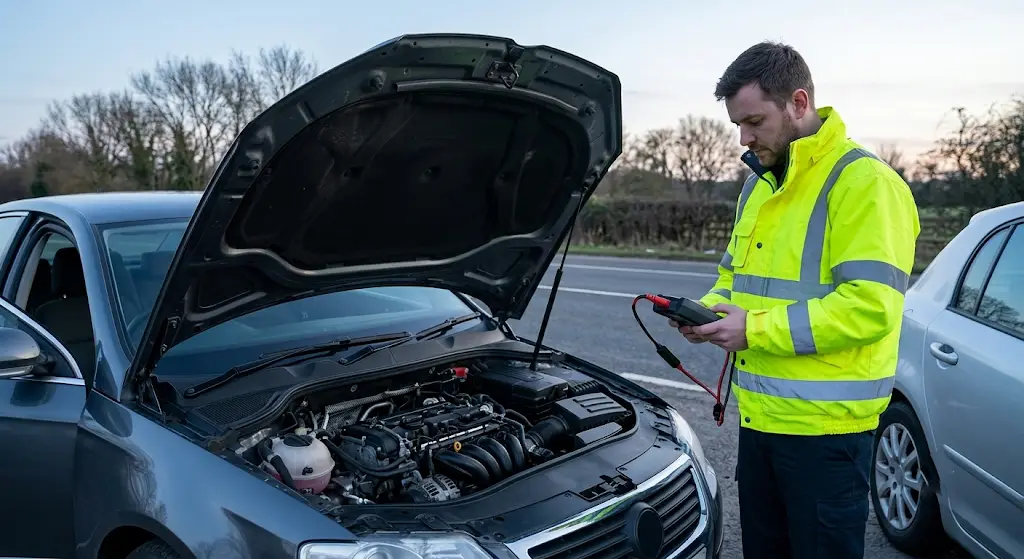
Is your car battery dead? That can ruin your morning quickly. This happens more often than most drivers expect. The good news is simple: it is usually fixable. You do not need to panic or feel stuck.
Learn the signs early with CarsBreakdown and avoid unexpected breakdowns. This guide explains what to do if a car battery dies. We will also cover how to tell if a car battery is dying. You will learn the warning signs before trouble starts. By the end, you will spot a dying battery early. You will also know how to tell if your car battery is dead before it strands you somewhere awkward or unsafe.
How To Prevent A Car Battery Dying
Prevention beats a roadside fix every time. A little care avoids most flat battery problems. Small habits make a real, lasting difference. Below are simple tips worth building into your routine.
- Drive longer trips: Give the alternator time to recharge fully.
- Switch off extras: Turn off lights and chargers when parked.
- Clean terminals often: Corrosion builds slowly without regular checks.
- Test yearly: Get the battery checked before winter arrives.
- Watch the age: Replace batteries nearing five years old.
- Use a trickle charger: It is ideal for cars parked for long spells.
These small steps help prevent the surprise of a car battery dead. They also extend the life of every battery. A little effort now saves a big hassle later. Set a reminder for an annual battery check. Winter is the best time to test it. Cold weather is when most batteries finally give up. Being prepared beforehand makes the whole season easier.
Signs Of A Dying Car Battery
Batteries rarely fail without warning first. Most show small signs before they fail. Knowing how to tell if car battery is dying helps a lot. It stops you being caught out unprepared. A car battery dead situation often starts small. It might be a slow crank one morning, or dim lights that flicker at idle. Catching these signs early saves real hassle. It can also save you from an unexpected repair bill. Below are the clearest signs to watch for. Learn how to know if car battery is dead using these simple daily checks. Most drivers ignore these signs at first.
- Slow crank: The engine turns over slowly at first.
- Dim lights: Headlights and interior lights look weaker.
- Warning light: A battery icon appears on the dash.
- Clicking noise: A clicking sound replaces normal starting noise.
- Odd smells: A rotten-egg smell can mean a leak.
- Corroded terminals: White or blue crust builds around connections.
- Electrical glitches: Windows or radios behave strangely at times.
- Battery age: Batteries over three years old are more likely to fail.
- Swollen case: A bulging battery case signals internal damage.
If two or three signs show up, act fast. Get the battery tested before it fails completely. A quick test at a garage costs little. It is far cheaper than an unexpected roadside call-out. Most garages offer this test free of charge. Ask next time you are in for a service. Spotting a dead battery early avoids bigger problems.
What To Do If Car Battery Dies
A car battery dead moment calls for a clear plan. Do not panic, and do not rush the process either. Most fixes take just a few short minutes. Knowing what to do if car battery dies helps enormously. Below are four simple steps most drivers can follow. Start with the easiest option and work upward. Each step below addresses a different type of battery problem. Together, they cover almost every battery scenario.
1. Check For Obvious Warning Signs
Pop the bonnet and look closely first. Check both battery terminals for visible damage. Corrosion often makes it seem as though the battery is dead. A loose clamp can also interrupt the connection. Wipe away light corrosion using a dry cloth. Make sure both clamps are securely in place. This simple check takes under two minutes. It often reveals the real cause immediately. Many battery issues start with loose terminals. Fixing this alone can solve the problem. Always check for cracks or leaks too. A damaged case means the battery needs replacing.
2. Try A Jump Start
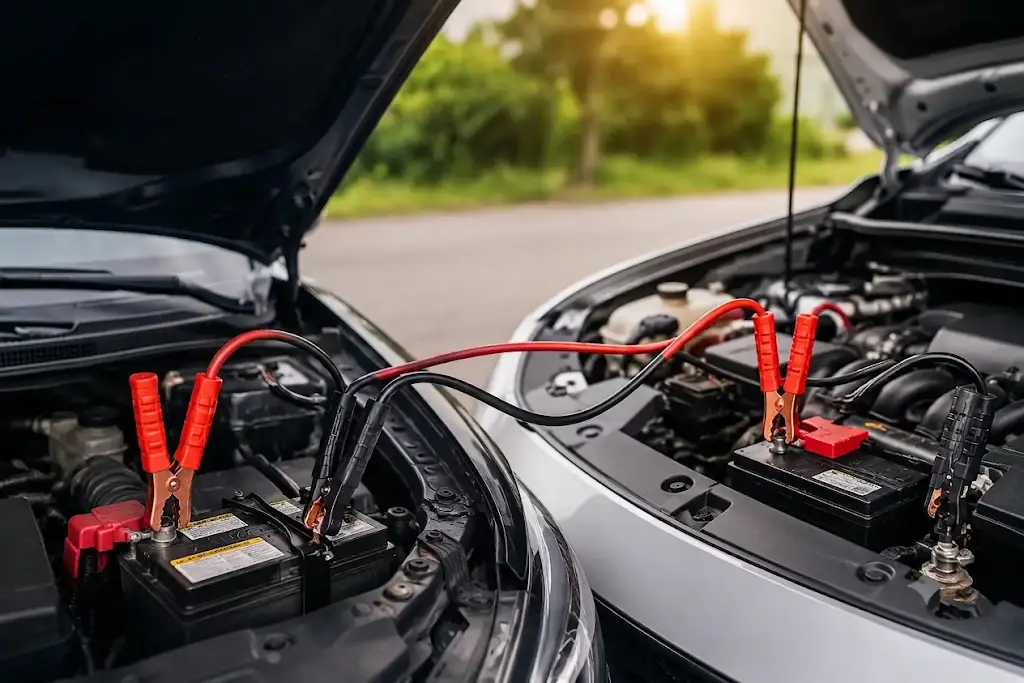
A jump start fixes most flat batteries quickly. You will need leads and a working vehicle nearby. A portable jump pack also works just fine. Follow the steps below in the right order.
| Step | Action |
| 1 | Park the working car close by. |
| 2 | Turn off both engines completely. |
| 3 | Attach a red clamp to the dead battery. |
| 4 | Attach a red clamp to the working battery. |
| 5 | Attach a black clamp to the working battery. |
| 6 | Attach the black clamp to an unpainted metal surface on the dead car. |
| 7 | Start the working car’s engine first. |
| 8 | Try starting the vehicle with the flat battery now. |
Let the engine run for several minutes. This helps the alternator recharge the battery properly. A jump start remains the fastest fix available. It solves most dead-battery situations instantly. Do not switch the engine off too soon. Give it fifteen minutes before turning it off. Drive the car during this recharge period as well. A short trip helps top up the charge. Avoid short stop-start driving right after jump starting though. Longer, steadier drives recharge a weak battery best.
3. Use A Portable Battery Charger
No jump leads nearby? A charger helps instead. Plug it in and leave it overnight. This won’t revive a severely damaged battery, though. It works well for batteries that are simply low on charge. Chargers offer a slower but gentler recharge method. They are useful when you are not in a rush. A trickle charger works especially well overnight. It protects the battery from sudden power surges.
- Overnight charge: Best for a battery that’s simply low on charge.
- Trickle charger: Gentler on the battery’s internal cells.
- Fast charger: Quicker, but slightly harder on old batteries.
4. Call For Roadside Assistance
Still stuck after trying both options above? Call us without delay or hesitation. Our technician can test the whole system. They will check the battery, alternator, and starter motor. Often, they can replace the battery on site. This can solve a serious car battery problem quickly. Keep breakdown cover details somewhere easy to find. This saves precious time during a real emergency. Most policies cover call-outs anywhere across the UK. We cover Reading and the surrounding areas. Check your policy details before you actually need it.
How To Fix A Dead Battery On A Car
Getting moving again is only half the job. It helps to understand why it happened. A jump-start treats the symptom, not the cause. Fixing the root issue prevents future battery problems. Below are common fixes worth trying at home. Each one targets a different likely cause.
- Clean terminals: Remove corrosion using a wire brush.
- Full charge: Use a mains charger overnight for best results.
- Alternator check: Test output using a simple multimeter.
- Turn things off: Switch off lights left on by accident.
- Replace if needed: Replace batteries that fail a load test.
- Tighten clamps: Loose connections cause repeated battery problems.
A garage can handle a full car battery replacement quickly. Most batteries last around three to five years. After that, replacement becomes far more likely. Ask your garage to test it properly first.
How Long Does A Car Battery Last?
Most car batteries last three to five years. Driving habits and climate both affect this lifespan. Frequent short trips shorten a battery’s working life. Cold winters also place extra strain on cells. A dead battery well before this age needs checking. It could point to a faulty alternator instead. Regular testing helps catch problems before real failure. Garages can test battery health in minutes. This small check often prevents a bigger breakdown later. It is worth doing once a year, at least.
What Causes A Car Battery To Suddenly Die
A car battery dead moment rarely happens randomly. There is usually a clear reason behind it. Cold weather is a common culprit here. Low temperatures reduce a battery’s charging ability significantly. Leaving lights on overnight also drains power fast. Short journeys do not give batteries enough time to recharge. Below are the most common causes drivers face. Knowing these helps you avoid repeat problems.
- Faulty alternator: It fails to recharge the battery properly.
- Short trips: These prevent full recharging during normal driving.
- Old age: Batteries naturally weaken after a few years.
- Parasitic drain: A faulty component quietly drains power overnight.
- Loose connections: Corroded terminals reduce charging efficiency over time.
- Extreme heat: Hot summers can also shorten battery life.
Spotting the real cause stops repeat problems. It also protects you from another flat battery. A garage can help diagnose tricky, hidden causes. A battery that dies in winter often indicates age-related wear. A battery that dies in summer is often affected by heat damage. Either way, testing reveals the true cause quickly.
Will A Car Still Run If The Battery Dies?
Yes, but only for a short while. Once running, the alternator powers the car. The battery is not needed while the engine runs. However, restarting becomes impossible once the engine is switched off. That is because starting always needs battery power first. A completely dead battery eventually stalls the engine too. The alternator cannot fully compensate for zero charge. So driving on borrowed time is not a solution. Get a proper fix as soon as possible. Ignoring the warning signs only makes things worse. A battery that dies mid-journey is genuinely dangerous. Pull over safely and call for help immediately.
Can You Drive With A Dying Battery?
Technically, yes, but it is genuinely risky. A weak battery might suddenly fail mid-journey. This leaves you stranded somewhere far less convenient. A dead battery on a motorway is dangerous. It can also leave you without power steering. Braking assistance may weaken too, without warning. It is safer to fix things before driving anywhere. A quick test at home avoids this risk entirely. If lights dim badly, do not risk a long trip. Book a garage check as soon as possible instead.
How Much Does A Car Battery Replacement Cost?
Prices vary depending on the car and battery. Most UK drivers pay between £60 and £150. Larger vehicles often need bigger, more expensive batteries. Fitting is usually included at most garages. Some garages fit the battery for free with purchase. A battery replacement is far cheaper than ignoring problems. Ignoring a dying battery risks bigger repair costs later. It can also damage the alternator over time. Getting a quote from two garages helps. It ensures you are paying a fair, competitive price.
Common Mistakes When Recharging A Battery
Recharging sounds simple, but mistakes happen often. Small errors can cause real damage quickly. They can also cause injury. Avoid these common mistakes when jump-starting or charging. Taking a few extra seconds prevents most problems.
Correct Clamp Order:
- Attach the positive cable first, then the negative cable.
- Follow the proper order to avoid electrical risks.
Keep Vehicles Separate:
- Ensure both vehicles remain apart during charging.
- Avoid contact between cars throughout the process.
Prevent Overcharging:
- Disconnect the charger after the recommended charging time.
- Long charging periods can damage battery life.
Use Safety Equipment:
- Wear gloves and protective eyewear at all times.
- Safety gear helps prevent battery-related injuries.
Avoid Charging Damaged Batteries:
- Replace batteries showing signs of cracks or leakage.
- Damaged batteries can create serious safety hazards.
Watch for Repeated Failures:
- Frequent jump starts suggest that the battery needs replacing.
- Repeated failures often indicate a weak battery.
Check Connections Carefully:
- Verify all connections before starting the process.
- Careful checks help prevent avoidable charging mistakes.
Conclusion
A morning with a dead battery feels stressful at first. But it’s rarely a difficult problem to solve. Learn how to tell early if a car battery is dead. Try a safe jump-start when you need one. Understand when a full battery replacement makes sense. These steps keep breakdowns rare and manageable. One car battery dead incident does not always mean trouble ahead. Repeated failures, though, usually signal a real issue. Regular checks of terminals and charge levels help greatly. A little maintenance genuinely goes a long way. Staying ahead of a dead battery problem is better than fixing it roadside every time.
Most drivers eventually face a dead battery. It is a common part of owning a car. What matters most is knowing how to respond. A calm approach turns a stressful morning around quickly. Keep jump leads in your boot, just in case. Save our team’s number in your phone too. These small habits make future breakdowns easier to deal with.
FAQs
What do you do when your car battery dies?
Check the terminals first for corrosion or looseness. Then try a jump-start or portable charger. Still nothing? Call us for proper testing. A technician can confirm the exact cause quickly.
What would cause a car battery to suddenly die?
Cold weather, faulty alternators, and old age are common causes. Short trips and parasitic drains also cause failures. Loose terminals often make the problem worse too. Extreme heat can shorten battery life as well.
Will a car still run if the battery dies?
Yes, it can run using power from the alternator alone. It won’t restart once you switch the engine off. A fully dead battery eventually causes the engine to stall. Do not rely on this as a fix.
What kills a car battery quickly?
Leaving lights on overnight drains batteries fast. Extreme cold and failing alternators also cause quick death. Frequent short trips shorten battery life considerably too. Corroded terminals make everything worse over time.
Is a 10 minute drive enough to charge the battery?
No. It barely restores any meaningful charge. Longer drives of twenty minutes or more work better. A dedicated charger is safer for badly drained batteries. Steady speeds help the alternator recharge more efficiently.
What are common mistakes when recharging batteries?
Connecting clamps in the wrong order causes problems. Letting vehicles touch during jump starts is risky. Overcharging with mains chargers can also cause damage. Always follow the correct order carefully.
What are signs of a dying car battery?
Slow cranking, dim lights, and dashboard warnings are typical. Clicking sounds and corroded terminals are also common signs. Batteries older than three years need closer attention. A swollen case usually means it’s time to replace.